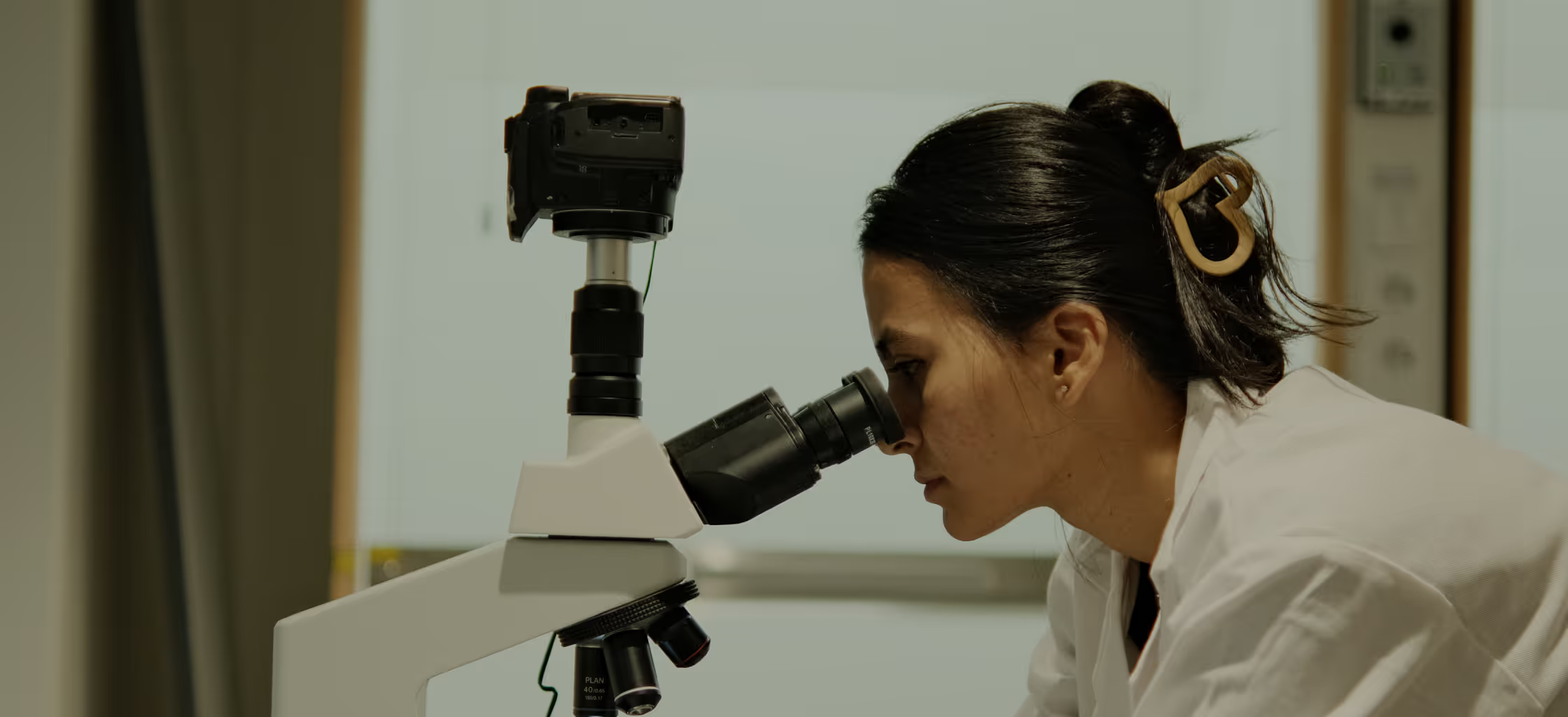
Waste treatment inspired by the power of nature
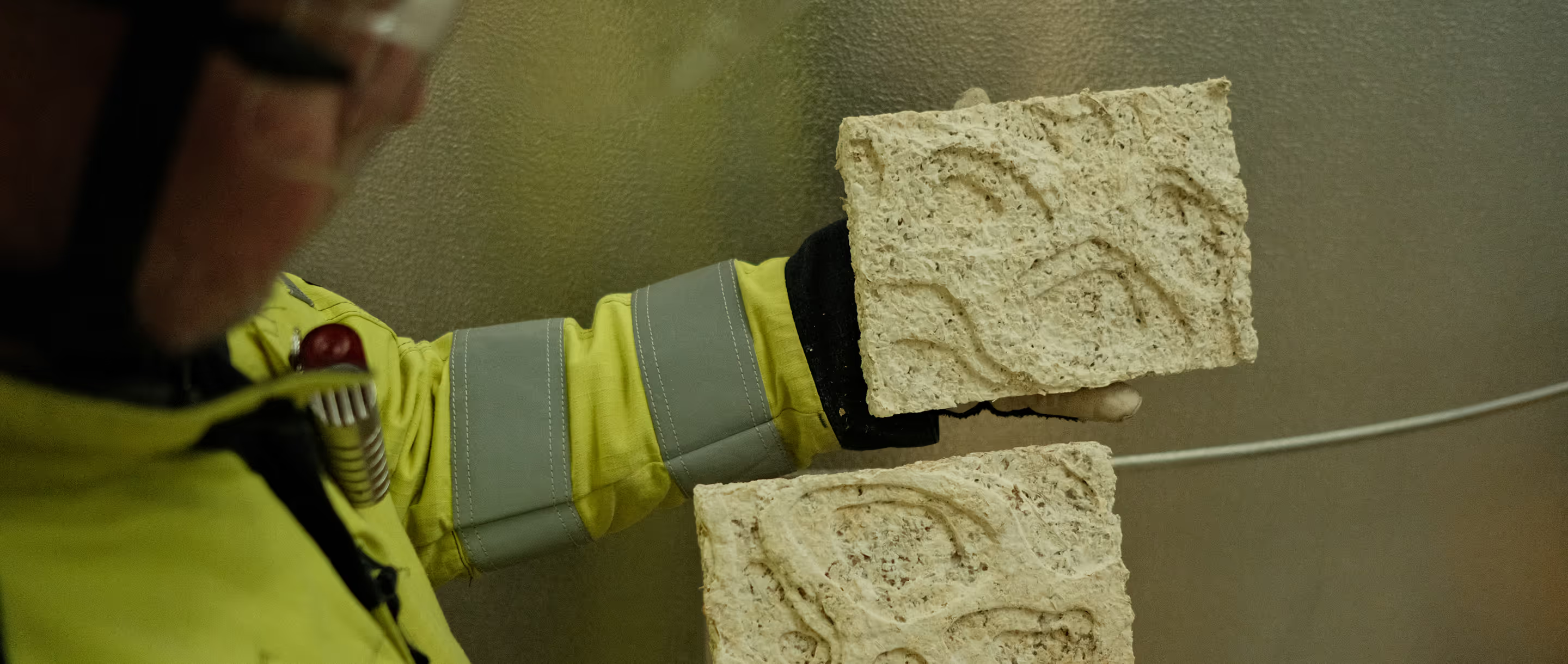
How fungi break down industrial pollutants
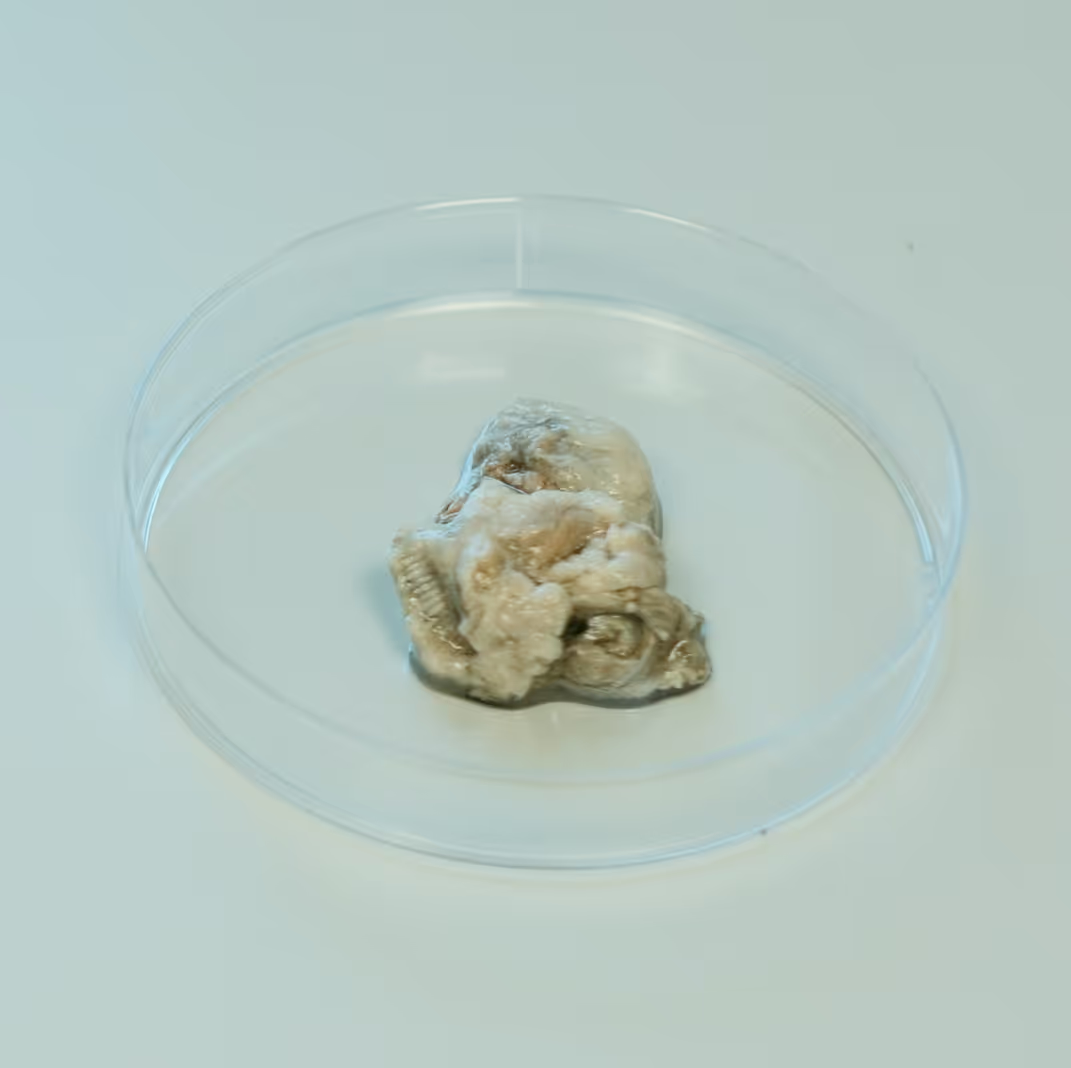
MycoMine applies biological processes to manage industrial waste, using fungal systems as the core mechanism for degradation. At the center of this approach is mycelium — a root-like network of fungi that naturally breaks down complex organic matter in ecosystems.
In controlled treatment systems, selected fungal strains release enzymes that target stable industrial compounds, breaking them down at a molecular level. These fungi use contaminants as a primary food source, converting complex chemical structures into smaller, non-toxic compounds.
Through this process, pollutants are ultimately transformed into carbon dioxide, water, and biomass. By replicating and scaling what occurs in nature, MycoMine enables consistent, measurable biodegradation — focusing on eliminating pollutants rather than transferring or storing them in secondary waste streams.
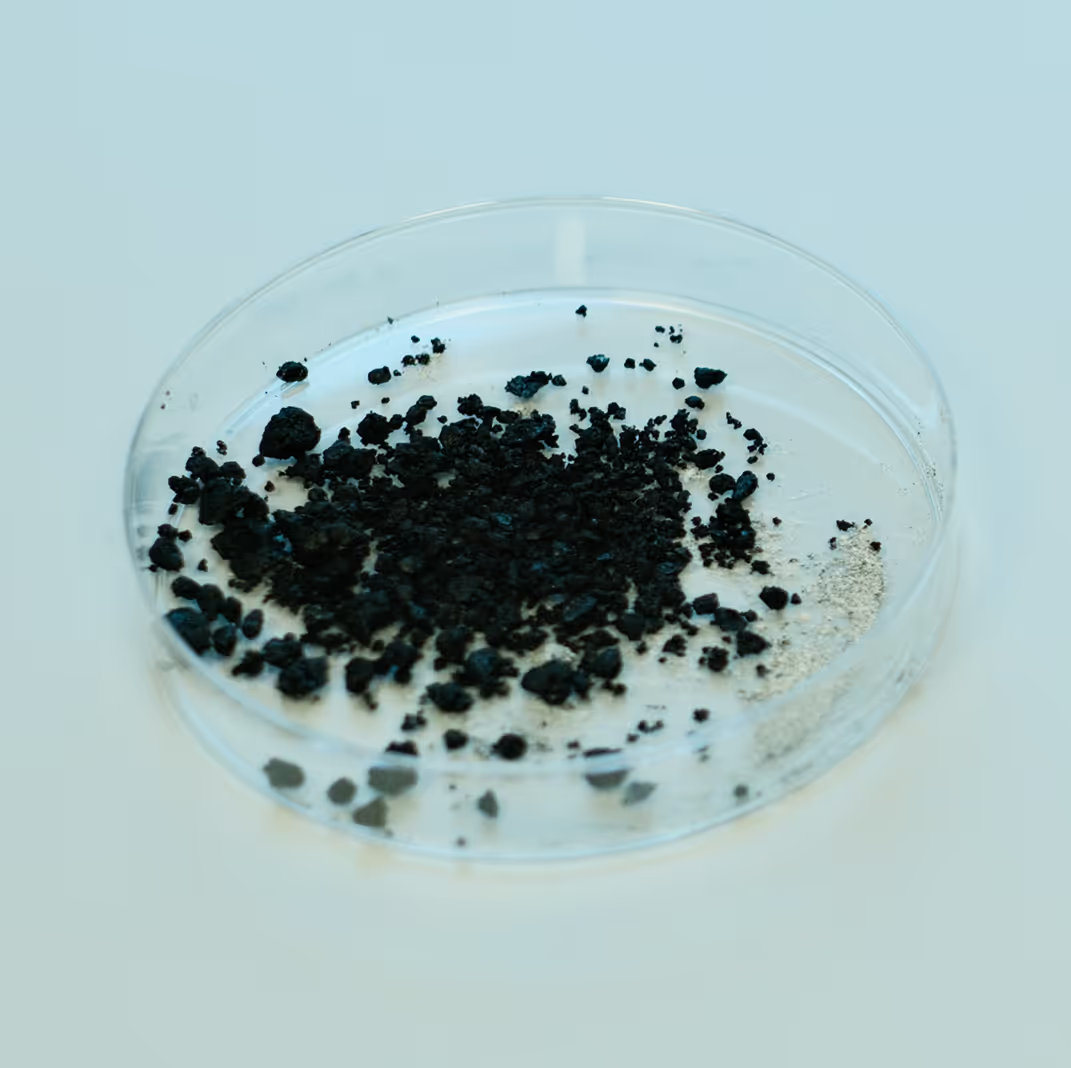
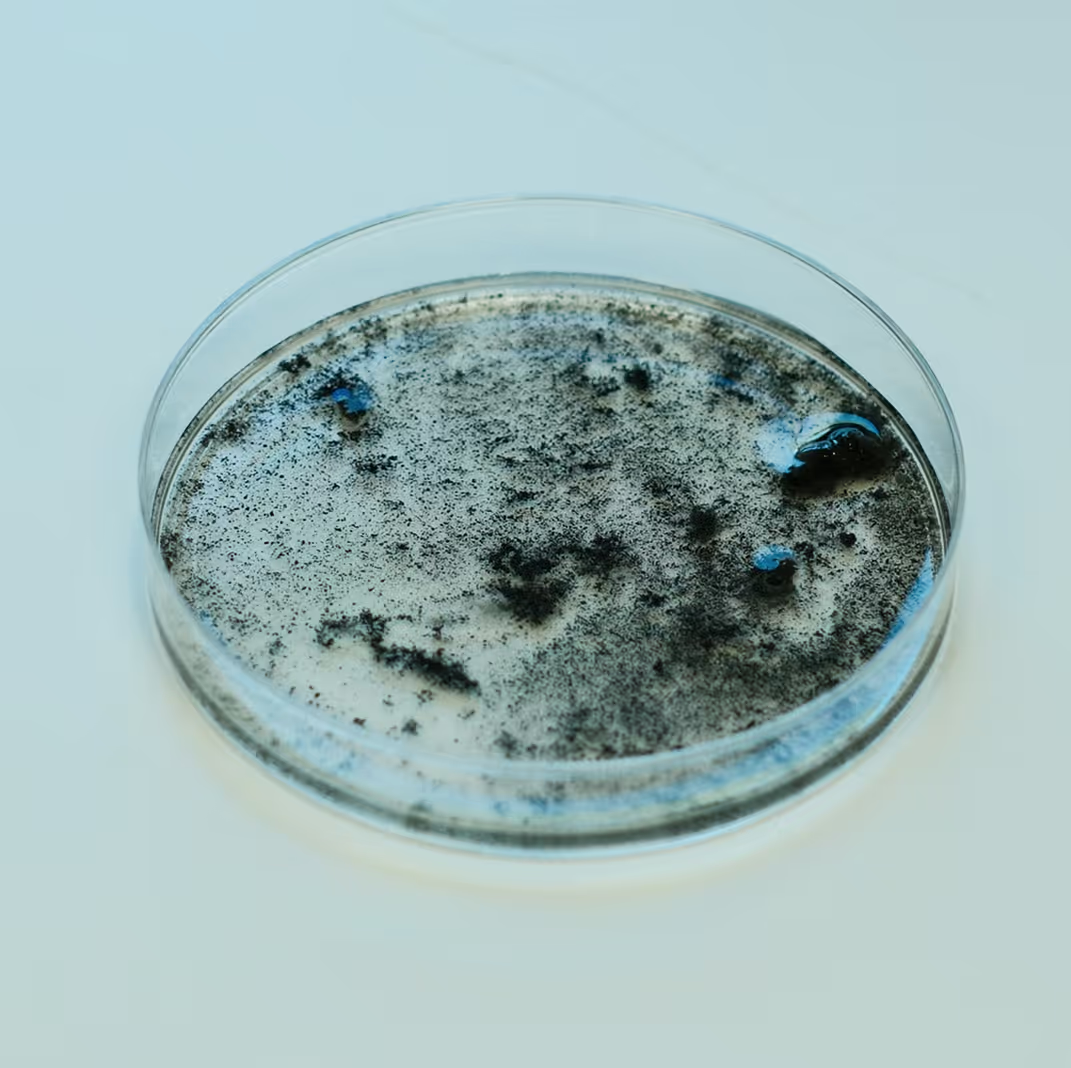
Pollutants we treat
MycoMine applies controlled fungal processes at industrial scale, enabling consistent and measurable degradation of harmful pollutants across diverse sites, waste streams, and operating conditions.
Rapid biological degradation within days
Across Europe, an estimated 2.8 million sites are contaminated by industrial pollutants such as hydrocarbons, solvents, and persistent chemicals. These substances accumulate in soil and groundwater, posing long-term risks to ecosystems, drinking water, and human health.
Traditional remediation methods often focus on containment or removal, transferring pollutants into other waste streams rather than fully eliminating them. This extends the lifecycle of contamination and increases the long-term cost and complexity of cleanup.
MycoMine addresses this by enabling direct biological degradation. Within controlled systems, pollutants can begin breaking down within days as fungal enzymes act on their molecular structure. By treating contamination at or near the source, the system reduces spread, lowers environmental impact, and accelerates the transition from hazardous waste to safe, natural outputs.
Why MycoMine?

Biological
Breaks down pollutants using natural enzymatic processes
99.9%
Up to 99.9% pollutant degradation into water, CO₂, biomass
Low energy
Lower energy, no high-temperature processes
On-site
Treats contamination directly at the source
Chemical
Rely on separation and energy-intensive treatment
Incomplete
Transfer pollutants into secondary waste streams
High energy
Requires high heat and significant energy input
Logistics-heavy
Requires excavation, transport, and disposal
.svg)
Book an assessment to get started